Music and Song
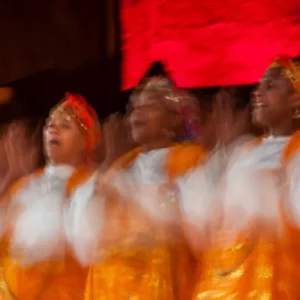
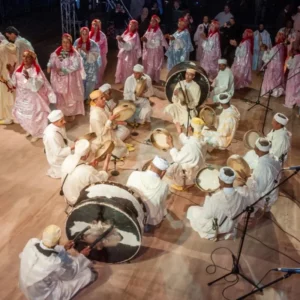
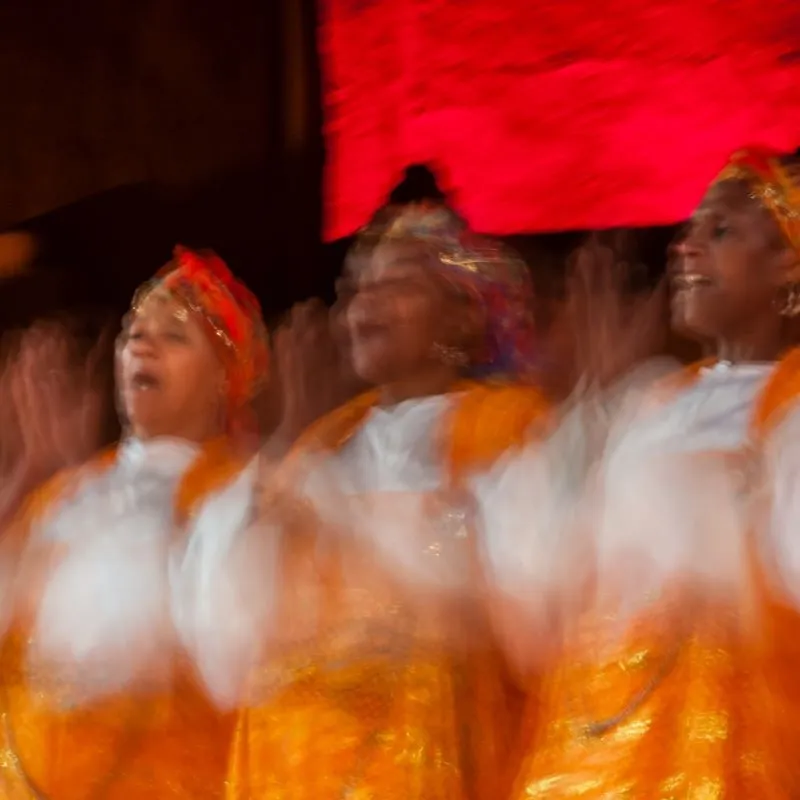
- Ahwach (ⴰⵃⵡⴰⵊ) — Collective Amazigh dance and song, performed across the High Atlas and south-eastern Morocco during major celebrations. Ahwach is far more than entertainment: it is the rhythmic expression of a community’s cohesion, with men and women alternating chants and percussion in a circle. Certain villages in the Draa and Dadès valleys maintain their own variants, passed down from generation to generation.
- Amarg (ⴰⵎⴰⵔⴳ) — Amazigh lyric poetry sung aloud, a vehicle for intense emotion — grief, love, exile, longing for home. Amarg is also a literary genre in its own right: its words condense a wisdom and a memory that the written word did not always preserve.
- Izlan (ⵉⵣⵍⴰⵏ) — Sung poems, plural of azul in the poetic sense. Izlan form the living repertoire of Ahwach troupes and Rwayes: short, finely crafted, often improvised, they are the place where the Tamazight language reveals its full metaphorical power.
- Tamdawt (ⵜⴰⵎⴷⴰⵡⵜ) — A form of sung poetry in Tamazight, with epic or mythological overtones. Tamdawt tells of heroic figures, battles, and origins — it is the memory of a people put into voice, for centuries without written archives.
- Taktoka (ⵜⴰⴽⵜⵓⴽⴰ) — A percussive rhythm characteristic of certain dances in south-eastern Morocco, recognisable by its syncopated tempo and driving pulse. The word itself is onomatopoeic: it imitates the beat of the drum.
- Asays (ⴰⵙⴰⵢⵙ) — Asays is both a place and an event. It is the space — often a village square or rocky plateau — where the community gathers to sing, dance, deliberate, and celebrate. At once a stage, an agora, and an open-air temple.
Traditional Instruments
- Tabel (ⵜⴰⴱⴻⵍ) — A large drum with a skin stretched over a wooden frame, whose deep beats drive the Ahwach ensemble. The tabel marks collective time: when it sounds, the village knows something shared is beginning.
- Rbab (ⵔⴱⴰⴱ) — A single-stringed instrument played with a bow, the plaintive voice of itinerant poets. The rbab is the instrument of the Rwayes and Imdyazen — those who travelled from one souq to the next, carrying the sung memory of the tribes.
- Bendir (ⴱⵏⴷⵉⵔ) — A single-membrane frame drum, present in rituals and festivities alike. The bendir accompanies spiritual invocations as readily as wedding celebrations in the rural south-east.
- Nfar (ⵏⴼⴰⵔ) — A long copper or wooden trumpet whose deep, far-carrying sound announces important ceremonies. The nfar belongs to the world of thresholds: it marks entrances, processions, the moments when the sacred steps into the everyday.
Artists and Keepers of Memory
- Imdyazen (ⵉⵎⴷⵢⴰⵣⵏ) — Itinerant poet-musicians, genuine living archivists of Amazigh memory. The Imdyazen travelled roads and souqs, carrying news, satire, elegies, and epic tales from one village to the next. Their role was at once artistic, social, and political.
- Rwayes (ⵔⵡⴰⵢⴻⵙ) — Amazigh troubadours specialising in instrumental music and song, often accompanied by the rbab. The Rwayes of the Souss and the Draa have built a repertoire of exceptional richness, today recognised as intangible cultural heritage.
- Ahouachay (ⴰⵃⵡⴰⵛⴰⵢ) — The leader of an Ahwach troupe, a figure of artistic co-ordination and authority. The ahouachay arranges, corrects, and sets the impulse — it is he who holds together the rhythmic and vocal circle of the collective performance.
- Iggawen (ⵉⴳⴳⴰⵡⴻⵏ) — Amazigh griots, guardians and transmitters of genealogy, oral history, and collective knowledge. Comparable in function to the griots of the Sahel, the Iggawen embody the idea that a community’s memory is not kept in a chest — it lives in voices.
Architecture and Inhabited Space
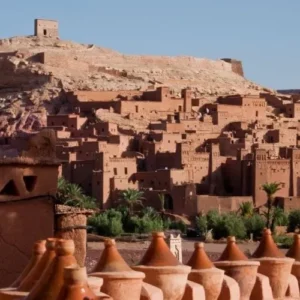
- Tighremt (ⵜⵉⵖⵔⴻⵎⵜ) — An Amazigh fortress-house built in rammed earth, rising several storeys, serving as both family residence and symbol of clan power. The tighremt is the ancestor of the kasbah: it governs the relationship to domestic space and to the surrounding territory in equal measure.
- Aghrem (ⴰⵖⵔⴻⵎ) — A village or collective ksar, the grouped-settlement unit characteristic of the Draa, Dadès, and Todgha valleys. The aghrem is not merely a cluster of dwellings: it is a social, defensive, and symbolic unit, organised around the jemaa.
- Igherm (ⵉⵖⴻⵔⵎ) — A fortified collective granary, also known as agadir in certain regions. The igherm was the common good par excellence: grain, oil, jewellery, and precious documents were deposited there under the guardianship of an amin appointed by the community. Several remarkable igherman survive in south-eastern Morocco.
Social Life and Institutions
- Taqbilt (ⵜⴰⵇⴱⵉⵍⵜ) — A tribe or tribal fraction, the primary unit of Amazigh belonging and solidarity. The taqbilt defines alliances, land rights, and mutual obligations among its members — it is the basic cell of Amazigh customary law.
- Jemaa (ⵊⵎⴰⵄⴰ) — The assembly of free men of the village or tribe, a deliberative and judicial body. The jemaa settles disputes, organises collective work, manages water and pastureland — it is the open-air parliament of the Amazigh world.
- Leff (ⵍⴻⴼⴼ) — A political and military alliance between tribes or fractions, often formalised through oral agreements and oaths. The leff system organised the geopolitics of Amazigh territories long before the centralised state.
- Amin (ⴰⵎⵉⵏ) — A man of trust designated by the community to manage a collective asset or represent a group. The amin of the igherm, the amin of the souq, the amin of the irrigation channel: the function is always the same — delegated trust, shared responsibility.
Water, Land and Calendar
- Seguia (ⵙⴻⴳⴳⵉⴰ) — An open-air irrigation channel, the vital artery of the oases and palm groves of the south-east. The seguia is a collective asset governed by precise customary rules: each right-holder is allocated a measurable unit of water time, transmissible and sometimes negotiable.
- Agdal (ⴰⴳⴷⴰⵍ) — A pastoral territory placed under seasonal reserve, with access regulated by the community. The agdal is one of the most sophisticated forms of sustainable resource management in the Berber world — a collective fallow period for pastureland, designed to ensure its long-term survival.
- Yennayer (ⵢⴻⵏⵏⴰⵢⴻⵔ) — The first day of the Amazigh agricultural calendar, celebrated on 13 or 14 January depending on the region. Yennayer is not merely a new year: it is a feast of the earth and the seed, a thanksgiving to the ancestors, and a call for the fertility of the year to come.
- Tafaska (ⵜⴰⴼⴰⵙⴽⴰ) — A harvest and abundance festival, marked by the ritual slaughter of an animal, singing, and symbolic offerings. Tafaska punctuates the Amazigh farming calendar much as religious festivals punctuate the Islamic one.
Textiles and Adornment
- Handira (ⵀⴰⵏⴷⵉⵔⴰ) — A hand-woven blanket-cloak made by Berber women of the Atlas, recognisable by its wool threads and metallic sequins. The handira is at once protection against mountain nights and a mark of social prestige, often given as a dowry or wedding gift.
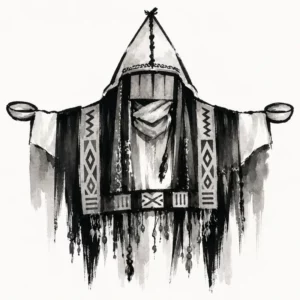
- Burnous (ⴱⵓⵔⵏⵓⵙ) — A large hooded woollen cloak, the emblematic garment of the Berber and Maghrebi world. In white wool for formal occasions, in brown for everyday pastoral life, the burnous is the garment of travel and dignity.
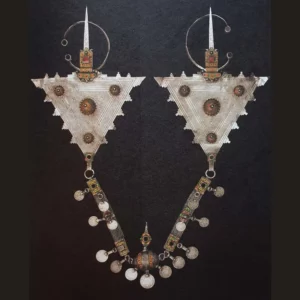
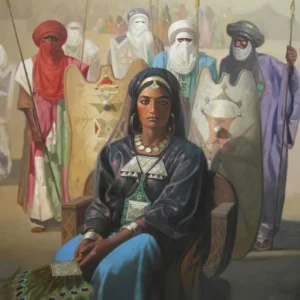
- Tizerzay (ⵜⵉⵣⴻⵔⵣⴰⵢ) — A pair of Amazigh fibulae, silver clasps that hold the female garment at the shoulders. Far more than an accessory, the tizerzay are works of silversmithing charged with symbolic and identity meaning.
Language and Memory
- Amazigh (ⴰⵎⴰⵣⵉⵖ) — Free man — the most widely accepted etymology of the word. Amazigh designates at once an individual of this people, their language, and their cultural identity. The plural is Imazighen. The term has progressively replaced “Berber” in official usage, without entirely displacing it in everyday speech.
- Tamazight (ⵜⴰⵎⴰⵣⵉⵖⵜ) — The Amazigh language in its generic sense, covering a dialectal continuum stretching from the Canary Islands to Egypt, and from the Sahel to the Mediterranean. In Morocco, the principal variants are Tachelhit (Souss, Anti-Atlas), Central Tamazight (Atlas), and Tarifit (Rif).
- Tifinagh (ⵜⵉⴼⵉⵏⴰⵖ) — The ancient alphabet of the Amazigh people, whose earliest traces go back more than two and a half thousand years, in rock carvings across the Sahara. Today official in Morocco in its modernised form (IRCAM), Tifinagh has become the visible symbol of the Amazigh cultural renaissance. → Read our feature: [Tifinagh: symbol of Amazigh culture through the ages]
- Awal (ⴰⵡⴰⵍ) — The word, the verb, the spoken discourse. In Amazigh tradition, awal is never neutral: it commits, it creates, it binds. A promise made before witnesses — an awal — carries the weight of a contract. Amazigh culture is, in its depths, a civilisation of the word given.
This glossary is a threshold, not an inventory. Behind each Amazigh word unfolds a world of practices, knowledge, and human relationships that a few lines cannot exhaust. It will grow alongside the features published in The Berber World section — and we warmly welcome corrections, additions, and insights from those who live these words every day.
Explore all features in : The Berber world